Islamic Story for Kids About Good Manners at the Table: The Shared Bowl
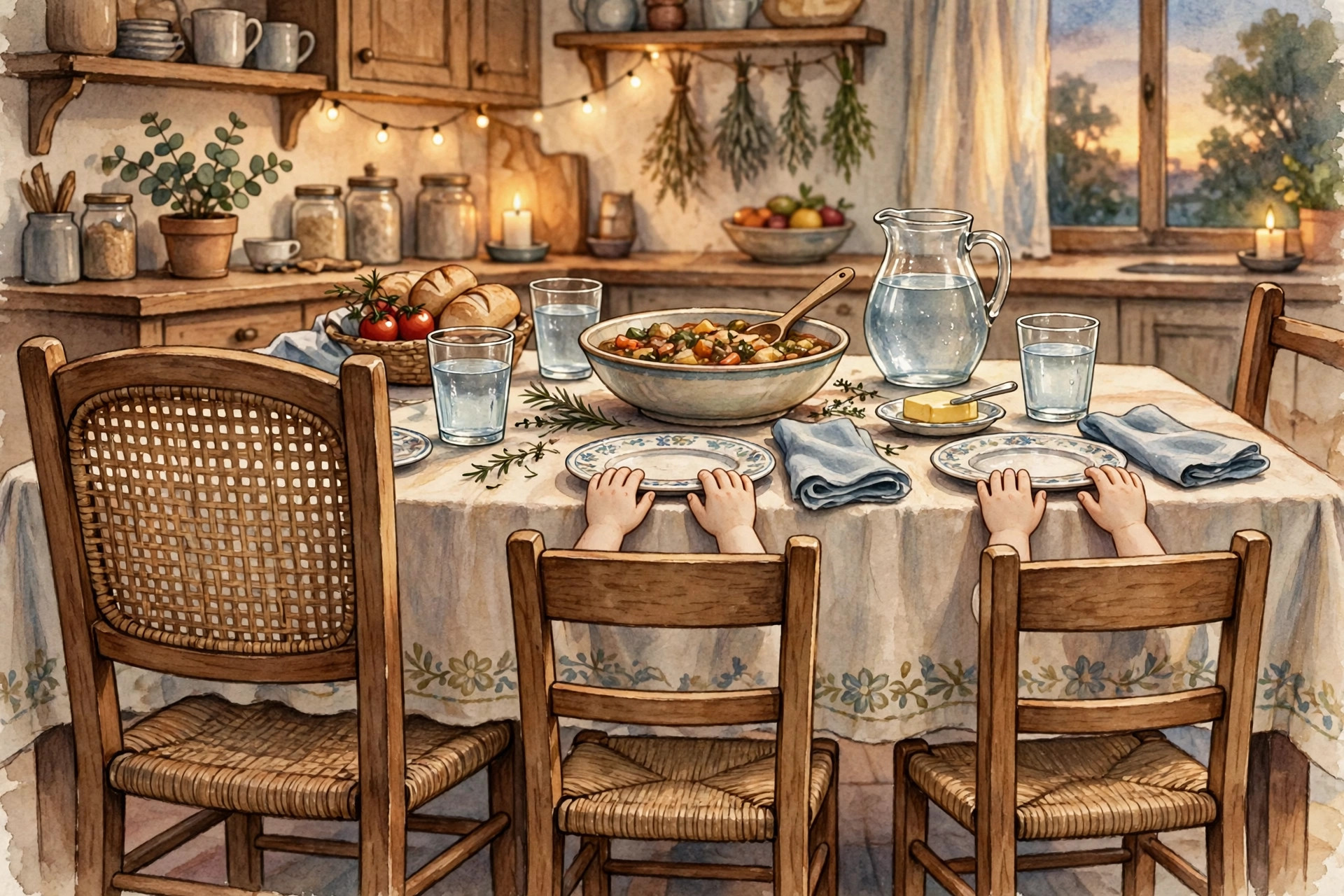
Good manners at the table are not about fancy rules. They are about making the people around you feel comfortable, respected, and cared for. This is the story of Sara, her little brother Ali, and one dinner where a shared bowl taught the whole family something sweet.
In this story you will meet Sara and Ali at dinner time, see the mistake Sara almost makes with the shared bowl, learn the four small table manners their mother teaches them, and find out why saying thank you matters just as much as eating nicely.
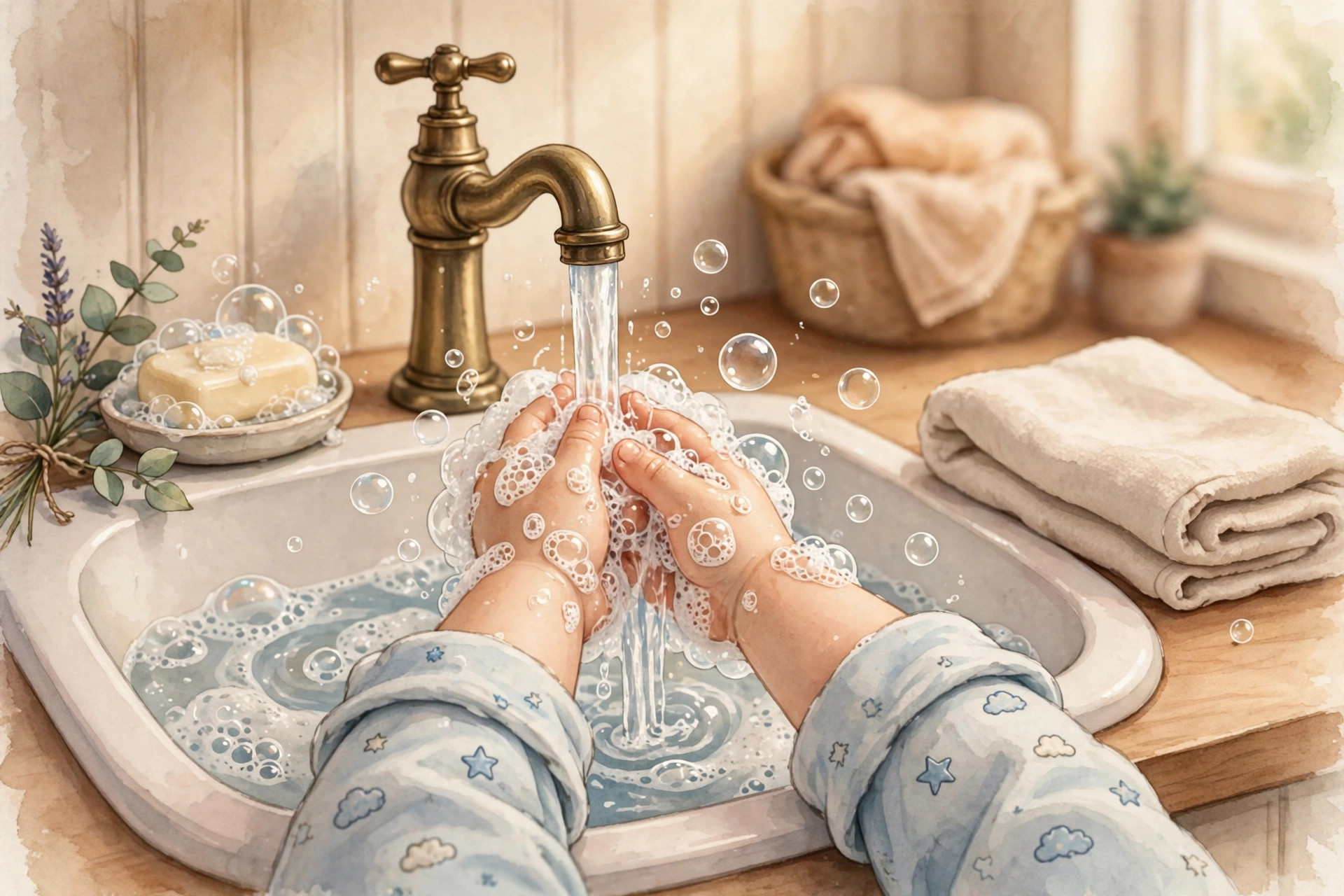
One evening, Sara's mother placed a big bowl of vegetable rice in the middle of the table, with a serving spoon beside it. Dinner smells so good, said Sara, and she ran to wash her hands, because in her house, clean hands always came before food. Ali, who was five, splashed water everywhere and giggled, and Sara helped him dry his hands on the towel, one finger at a time, just like her mother had shown her.
When everyone sat down, Sara was so hungry that she forgot. She picked up the serving spoon, heaped a huge mountain of rice onto her own plate, and was about to take a second scoop before anyone else had even started. Wait, Sara, said her mother, gently, not crossly. The bowl belongs to all of us. When we share, we take a little first, and we make sure everyone has some before anyone takes more. Sara looked around the table. Ali's plate was still empty. Her father's plate was still empty. Her cheeks turned pink, and she said, Sorry. I was too quick.
Her mother smiled and showed her the four small manners that make a shared meal happy. First, say Bismillah before you begin, because food is a gift, and beginning with Allah's name reminds us to be thankful. Second, eat from the side nearest to you, and do not reach across other people's plates. Third, take small helpings and wait your turn, so that no one feels rushed or left out. And fourth, chew quietly, with your mouth closed, and talk kindly between bites, because a meal is not only for filling tummies, it is for enjoying each other.
Sara tried again, slowly this time. She took a small helping, passed the bowl to her father with both hands, and waited while Ali chose his own spoonful. When Ali dropped a piece of carrot, Sara did not laugh at him. She picked it up with a napkin, put it aside, and said, It is all right, Ali. Accidents happen at every table. Ali beamed at her, and dinner suddenly felt warm and easy, like a blanket on a cold night.
At the end of the meal, Sara did something her mother had taught her the week before, and it made the evening special. She carried her own plate to the kitchen, wiped her corner of the table, and said, Jazakillah, Mama, the rice was lovely. Her mother hugged her and said, That thank you is the best part of the meal, Sara. Good food fills the stomach, but good manners fill the heart. Ali copied his sister at once, carrying his spoon like a treasure, and saying, Tank you, Mama, in his very best loud voice, which made everyone laugh in the kindest way.
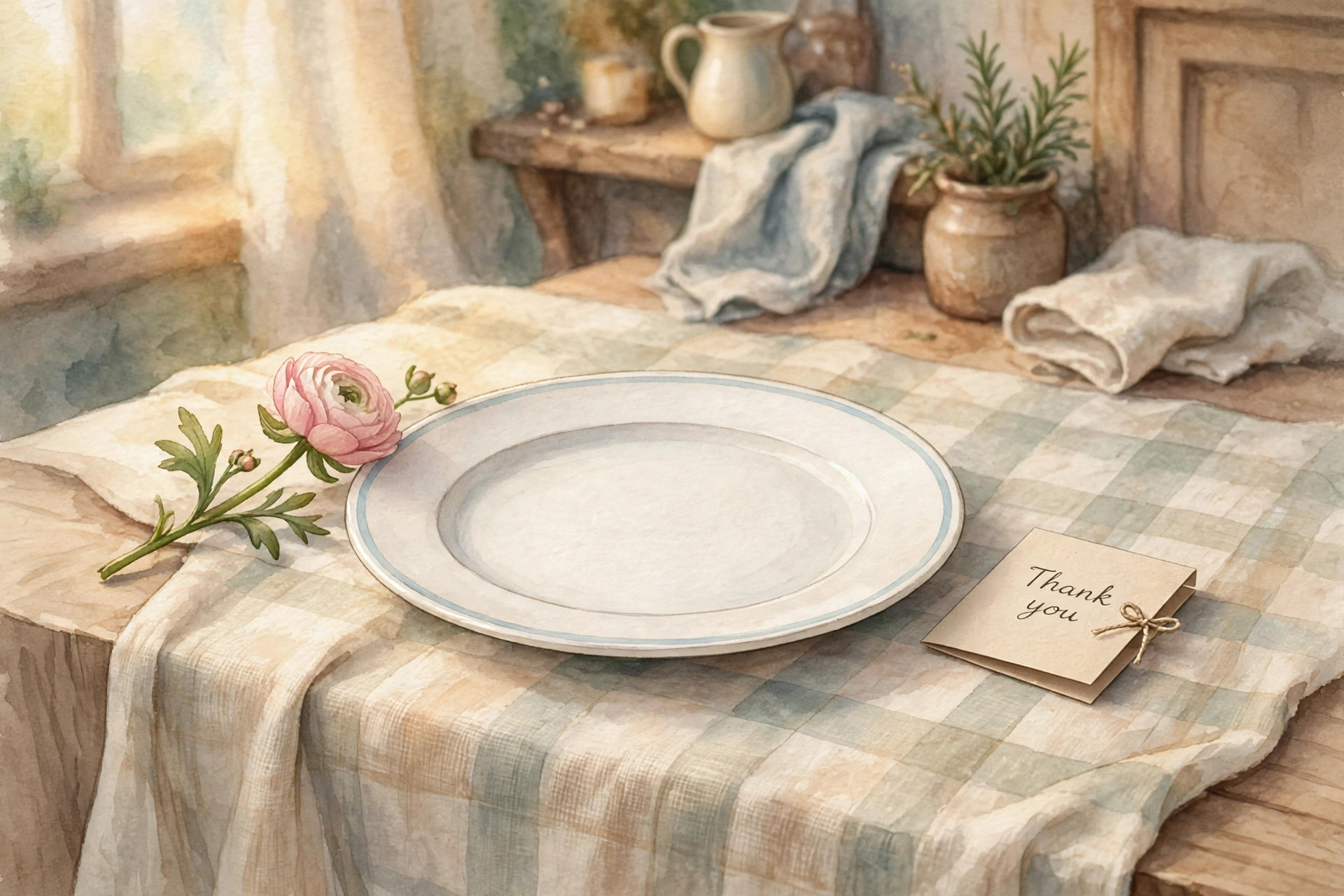
Lesson for today: Good manners at the table mean sharing fairly, waiting your turn, eating quietly and kindly, and thanking the person who cooked. When you eat nicely, you are not just being polite, you are showing love to the people sitting beside you.
Question: At your next meal, what is one table manner you could practise, sharing fairly, waiting your turn, or saying a warm thank you to the cook?
Try it tonight - a tiny family challenge: For one week, give every person at the table a small job they can be proud of. One person says Bismillah aloud for everyone, one person passes the serving bowl, one person pours the water, and one person says the thank you at the end. Grown-ups can join in too, because manners are not only for children, and when a child sees a parent wait politely for the bowl, the lesson sticks far better than any lecture. At the end of the week, talk together about which job felt best, and keep the favourite job as a new family habit, because a home where everyone serves each other is a home where everyone feels loved.
For parents - reading this story together: Read the dinner scene slowly, and let your child spot Sara's mistake before you read the mother's correction, children love catching a mistake before the grown-up explains it. Then try these three questions at your own table: Why do you think Sara felt shy when she saw the empty plates? What does saying Bismillah before eating remind us of? How does a thank you change the cook's feelings? As a small activity, let your child serve one dish at the next family meal, with a serving spoon and a reminder to take a little first, and praise the waiting, not just the eating.
Q: At what age should I teach my child to say Bismillah before eating? A: You can begin as soon as your child sits at the table with the family, even before they can speak clearly. Say Bismillah out loud yourself at every meal, keep it warm and unhurried, and praise every small attempt. Young children learn manners by watching long before they understand explanations, so your own habit teaches more than any reminder.
Q: How can I teach my child to share food fairly from a shared dish? A: Serve family meals from one shared dish sometimes, and narrate your own manners as you go: taking a little first, checking everyone has some, then taking more. Give your child the serving spoon as a small honour, and praise the waiting and passing warmly. Children copy what they see praised far more than what they are told.
Q: What should I do when my child grabs food or takes too much? A: Stay calm and correct gently in the moment, without shaming your child in front of others. Quietly guide the extra food back or pause the serving, explain in one short sentence that the dish belongs to everyone, and let your child try again straight away. A kind second chance teaches far more than a scolding remembered with embarrassment.
Q: How can I build gratitude for food in my child at home? A: Make thankfulness a small daily ritual rather than a lecture. Say Alhamdulillah together at the end of the meal, encourage your child to thank the person who cooked in their own words, and talk now and then about where the food came from and the hands that prepared it. Gratitude grows through repetition, warmth, and watching grateful parents.
Q: How long should a read-aloud story session be for a young child? A: For most children aged three to eight, ten to fifteen unhurried minutes is plenty: one short story, a question or two, and time to talk. It is better to stop while your child is still enjoying it than to push to the end. A few calm minutes before bed, repeated nightly, builds attention, language, and love of stories.
Source note: This story is original fiction, based on the Islamic teaching of good manners, gratitude for food, and kindness to family, including beginning with Bismillah and eating from what is near (meaning in our own words).
Based on the Islamic teaching of good manners at meals, gratitude for food, and kindness to family (meaning in our own words); story is original fiction.