Islamic Story About Forgiving a Neighbour's Mistake: The Broken Fence
Forgiveness is often described as letting go, but in real neighbourhood life it is rarely that simple, and rarely that quick. Sometimes forgiveness means standing in your own garden, looking at something broken that you loved, and deciding what kind of neighbour you want to be next. This is the story of Amina, a broken fence board, a crushed rose pot, and the afternoon she discovered that forgiving a neighbour's mistake is not the same as pretending it did not happen.
In this story you will meet Amina and her neighbour Bilal, see the accident that damaged her garden, watch the apology that almost went wrong, learn the three steps that turned a quarrel into a repair, and discover why the fence they fixed together became stronger than the one that broke.
Amina loved her small garden the way some people love a quiet room. It was not grand: a low wooden fence, a row of herbs, and one special rose pot by the gate, a gift from her late mother, whose pink roses opened every spring as if on purpose. Each morning she watered the pot first, before the herbs, and each evening she sat beside it with her tea, watching the street go quiet. The fence, too, mattered to her, not because it was expensive, but because her husband had built it with his own hands years ago, board by board, on the weekends when their children were small. A garden, for Amina, was not decoration. It was memory, kept alive with water and care.
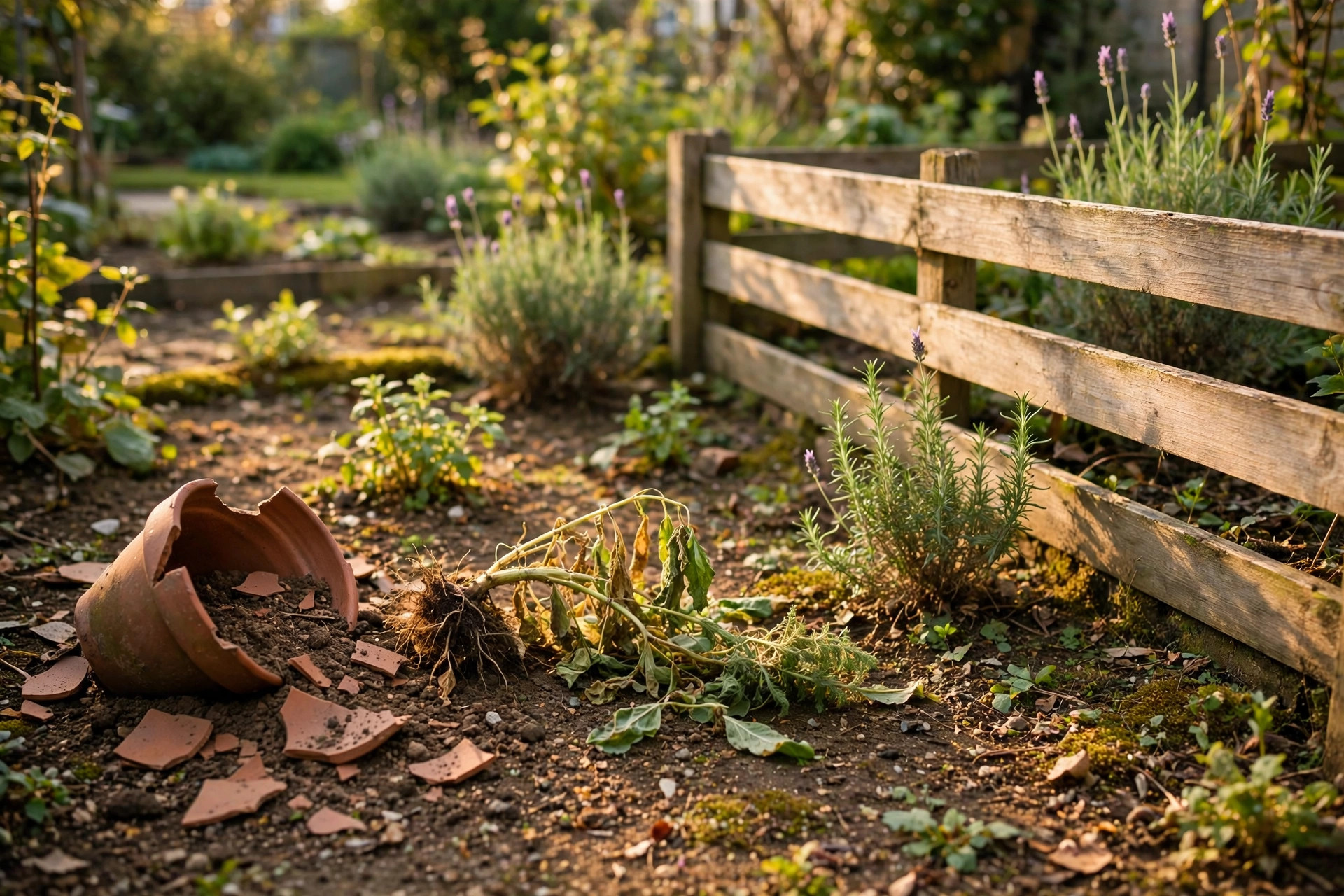
One Saturday afternoon, while Amina was visiting her sister across town, her neighbour Bilal was helping his brother move a heavy wardrobe into the house next door. The men carried it through the side passage, the wardrobe slipped on the narrow turn, and its corner struck the fence with a crack that Bilal felt in his own chest. A board split cleanly, and as the wardrobe tilted, it knocked the rose pot from its stand. The pot broke into pieces on the path, soil scattered everywhere, and the rose bush, roots and all, lay sideways in the dirt. Bilal stood still for a long moment, looking at the damage, while his brother whispered, Let us just put it back and say nothing. Nobody saw. But Bilal knew that silence would be a second wrong, worse than the first, because Amina would come home, see the broken fence and the dead-looking rose, and wonder who had done it, and whether her neighbours could be trusted at all.
When Amina returned that evening, Bilal was waiting at her gate, and he did something that took real courage: he told her plainly, before she even saw the garden. Amina, I have broken your fence and your rose pot, he said. It was an accident while we moved the wardrobe, and I am truly sorry. I did not come to make excuses. I came to tell you first, and to put it right. Amina felt anger rise at once, hot and fast, and for a moment she wanted to shout, to say that the pot could never be replaced, that her mother's gift was gone, that careless people should not live next door. She bit the words back, not because she was not angry, but because she could see, in Bilal's face, that he was not hiding, not minimising, and not blaming his brother. He had come to her gate on his own, and that honesty, in the very first minute, changed what happened next.
Amina did not forgive him on the spot, and that matters, because instant forgiveness, forced by politeness, often leaves the anger alive underneath. Instead she said, Thank you for telling me honestly. I need tonight to look at the garden and to calm down, and tomorrow we can talk about the repair. Bilal nodded, and he did not argue, did not rush her, and did not ask her to say, It is fine, when it was not fine. That night Amina sat beside the broken pot and grieved a little, honestly, for the roses and for the fence board her husband had fitted. She also noticed something else: the anger was sharpest not at the accident itself, which anyone could have had, but at the thought of losing something her mother had touched. Naming that grief, quietly, to herself, helped her see Bilal more clearly. He had not broken her mother's memory. He had broken a pot, and he had owned it at once.
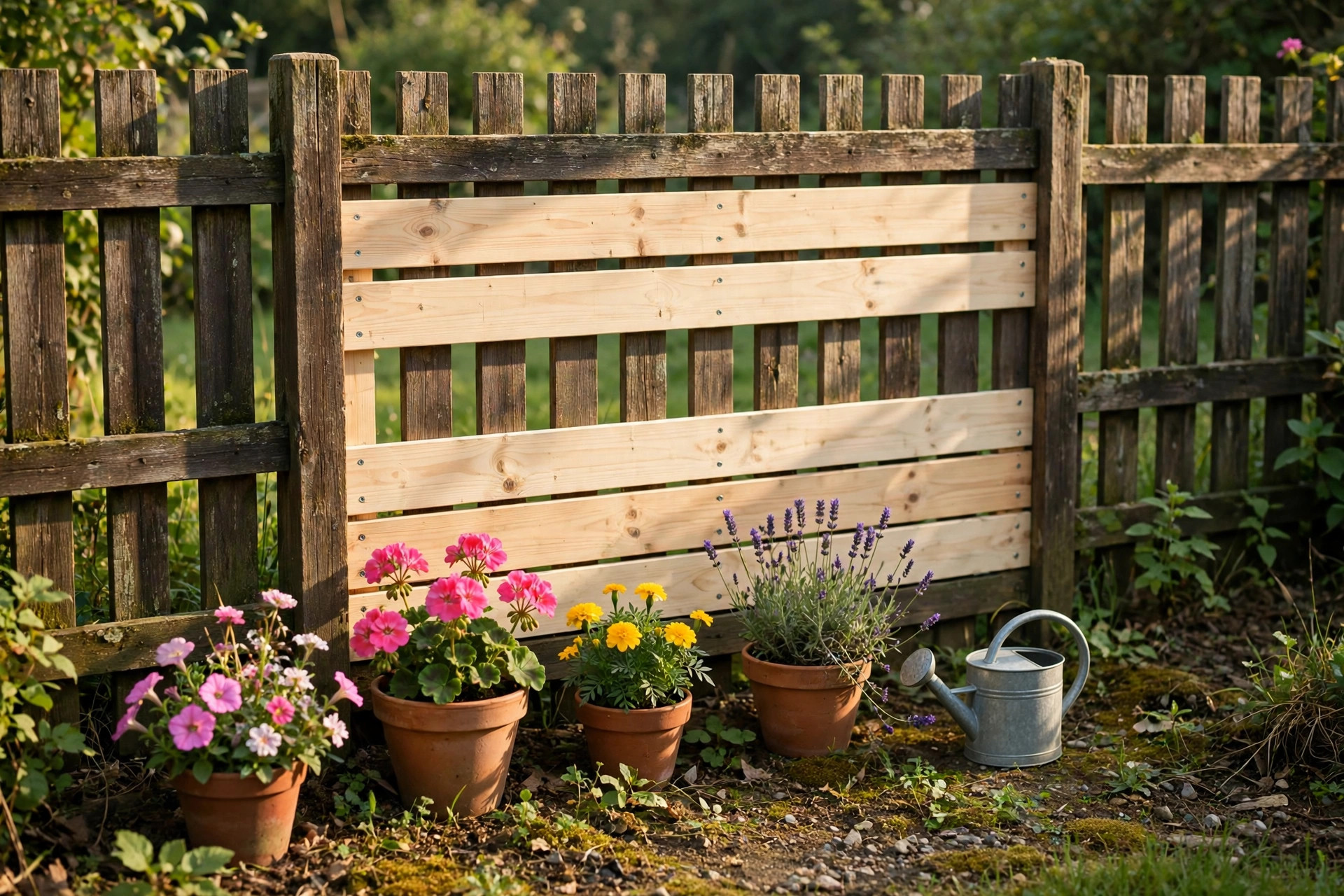
The next morning, Bilal came back with tools, a new fence board, fresh soil, and a young rose plant, not as a bribe, but as a repair. Together, not as master and servant, but as neighbours, they lifted the broken board out, fitted the new one, and replanted the rose in a new pot, packing the soil gently around its roots. As they worked, Bilal told her what had happened, step by step, without softening it, and Amina told him, without shouting, how much the pot had meant to her. That conversation, honest on both sides, was the real repair, because a fence can be fixed in an hour, but trust takes a conversation. By noon the fence stood straight again, the rose stood upright in its new pot, and Amina, to her own surprise, invited Bilal in for tea, not because the pot was forgotten, but because the man who broke it had behaved like a neighbour worth keeping.
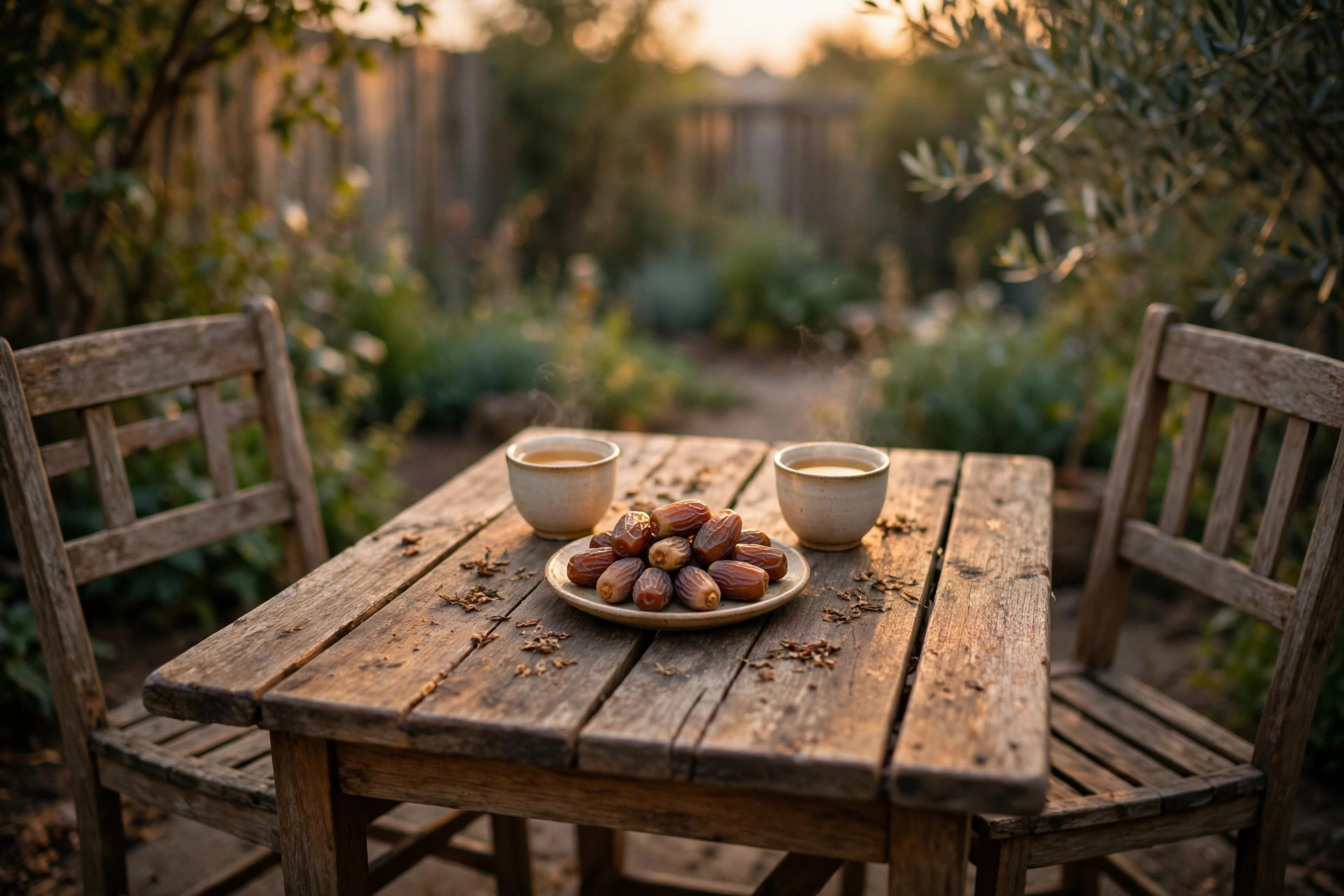
Over tea, Amina thought about what forgiveness had actually required of her, and it was more than one decision. First, she had to pause instead of answering anger with anger, because words said in the first hot minute are the hardest to take back. Second, she had to separate the person from the accident: Bilal was not a careless enemy, he was a neighbour who had made a mistake and owned it at once. Third, she had to accept a repair that was good, even though it was not identical to what was lost, because the new rose would bloom in its own time, and the new board, fitted by two pairs of hands, carried its own story now. And fourth, she had to let the story end: not bringing the broken pot up at every later disagreement, not using it as a weapon in the next quarrel about noise or parking, but letting the repaired fence stand for what it was, a mistake, owned, repaired, and forgiven.
This story matters beyond one garden, because neighbourhoods run on exactly this kind of forgiveness, the ordinary, unglamorous kind. Every street has its broken pots: a ball through a window, a car scratched in a tight space, a loud evening when someone was ill next door, a thoughtless word at a gathering. If every accident becomes a permanent grudge, neighbours stop speaking, children stop playing together, and a street becomes a row of separate houses instead of a community. If, on the other hand, mistakes are owned quickly, repairs are made properly, and forgiveness is given honestly, without pretending, then the street grows something stronger than before: the knowledge that when things go wrong, as they always will, the people next door will come to your gate and tell you first.
There is an important boundary here, and it should be named plainly. Forgiving a neighbour's mistake does not mean accepting repeated harm, and it does not mean staying silent when someone is careless again and again. A single accident, owned and repaired, is one thing. A pattern of carelessness, where apologies are made but nothing changes, is another, and in that case the wise course is a calm, firm conversation, perhaps with another respected neighbour present, about what must change, and what boundaries are needed. Forgiveness is not weakness, and it is not permission. It is the decision to stop carrying one honest mistake as a permanent debt, while still expecting, and asking for, better care next time. Amina forgave Bilal because he changed his behaviour, carrying furniture more carefully, warning her before the next move, and checking the fence himself. That is what made the forgiveness safe.
If a neighbour damages something of yours, here are practical steps that protect both the relationship and your rights. One, pause before you speak, and look at the damage calmly, so that your first words are true, not only angry. Two, listen to the apology fully, and notice whether the person is owning the mistake or minimising it, because that tells you what kind of repair to expect. Three, name what was lost in plain words, including its sentimental value, so the other person understands why it matters, without exaggerating the cost. Four, agree a concrete repair, who will do it, with what, and by when, rather than accepting a vague promise. Five, if the damage is large or the other person refuses responsibility, keep a simple record, with dates and photographs, and seek advice from a trusted elder or a proper channel, rather than escalating alone. Six, once a fair repair is done, let the matter rest, and do not use it in later quarrels, because forgiveness that is kept as a weapon was never forgiveness at all.
There are also common mistakes that turn a repairable accident into a lasting quarrel, and they are worth naming. The first is answering anger with insults, which makes the other person defend themselves instead of repairing the damage. The second is telling the whole street before speaking to the neighbour, which turns a private accident into public shame, and makes apology much harder. The third is demanding more than the damage is worth, out of anger, which turns a fair repair into a punishment, and leaves bitterness on both sides. The fourth is the silent grudge, smiling at the gate while nursing the anger indoors, which poisons every later interaction. And the fifth is instant, hollow forgiveness, saying, It is fine, when it is not fine, and then exploding weeks later over something small. Real forgiveness is slower, and kinder, than all of these: honest anger, honestly spoken, then a repair, then a genuine letting go.
Lesson: Forgiving a neighbour's mistake means separating the accident from the person, asking for an honest apology and a proper repair, and then letting the matter rest, without pretending it did not hurt. A fence fixed together, and tea shared afterwards, can leave a neighbourhood stronger than a fence that never broke, because now both neighbours know what happens when things go wrong: the truth is told at the gate, the damage is repaired, and the relationship survives.
Daily-life application: (1) The next time someone damages something of yours, practise Amina's pause: look, breathe, and speak after the first hot minute, not during it. (2) If you are the one who caused the damage, go to the person's door yourself, tell the truth plainly, and offer a concrete repair, because an apology that arrives before the discovery is worth ten apologies that arrive after it. (3) In a quarrel, ask yourself whether you are angry at the accident, or at the fear that it will happen again, and name that fear, so the conversation can address it. (4) Keep a small habit of neighbourly care, a greeting at the gate, help with a heavy bag, a plate of food at a celebration, because a relationship built in good times survives bad accidents far better. (5) And remember that forgiveness, like a garden, needs tending: check in, weeks later, with a kind word, so the repaired fence is not the last thing you ever shared.
Discussion question: Have you ever forgiven a neighbour, or been forgiven by one? What made the forgiveness real: the apology, the repair, the time taken, or something else, and what would you want a neighbour to do if they damaged something you loved?
Q: Do I have to forgive my neighbour immediately when they apologise? A: No, and forcing instant forgiveness often leaves anger alive underneath. It is wise to thank them for their honesty, take time to look at the damage and calm down, and then discuss a fair repair. Forgiveness given after a pause, with a repair agreed, is usually more honest and more lasting than forgiveness blurted out in the first minute to end an awkward conversation.
Q: What if my neighbour apologises but refuses to pay for or repair the damage? A: Then the apology is incomplete, and you are right to ask for a concrete repair, calmly and in plain words, with dates and photographs kept as a simple record. If the damage is large or the refusal continues, seek advice from a trusted elder or a proper local channel rather than escalating alone, because a fair outcome protects both your rights and the wider relationship.
Q: Does forgiving mean I must forget what happened entirely? A: Forgiving means you stop carrying the mistake as a permanent debt and stop using it in later quarrels, not that you erase your memory or ignore a pattern. You may still remember, and you should still expect better care next time. The difference is in how you hold it: as a closed chapter that was repaired, not as an open wound you revisit whenever you need an argument.
Q: What if the same neighbour keeps making the same careless mistakes? A: A repeated pattern is different from a single accident, and forgiveness does not mean accepting it silently. Have a calm, firm conversation, perhaps with a respected neighbour present, about what must change, and set clear boundaries. If harm continues, seek proper advice and protection through the right channels, because kindness to a neighbour never requires you to accept ongoing harm to yourself or your home.
Q: How can I apologise well when I am the one who caused the damage? A: Go to the person yourself, as soon as possible, tell the truth plainly without excuses or minimising, name what was damaged, and offer a concrete repair with a clear time. Listen to how much it mattered to them, especially if it had sentimental value, and do not rush them to say it is fine. A good apology is honest, specific, and followed by action.
Source note: This story is original fiction written to illustrate the Islamic teaching of forgiveness, good character towards neighbours, and repairing harm, including the value of pardoning others and of making amends (meaning in our own words). The characters and events are invented, and questions about compensation or disputes should be put to a trusted local scholar or a proper local channel, since guidance and local practice differ on details.
Based on the Islamic teaching of forgiveness, good character towards neighbours, and repairing harm (meaning in our own words); story is original fiction.